Shop refinance mortgage rates are a crucial element for homeowners looking to optimize their financial commitments. Understanding these rates can significantly impact your decision-making when it comes to refinancing your mortgage. The right rate can lead to lower monthly payments, reduced interest costs, and ultimately, greater financial freedom.
In today’s market, homeowners have access to a variety of refinancing options, but it’s essential to navigate through these choices effectively. By examining current trends and understanding the factors that influence rates, you can make informed decisions that align with your financial goals.
In our rapidly evolving world, where technology connects us yet keeps us perpetually busy, the practice of mindfulness has emerged as a vital tool for maintaining mental health and overall well-being. Mindfulness, the act of being fully present in the moment and aware of one’s thoughts and feelings without judgment, offers a sanctuary from the chaos of modern life. This article explores the significance of mindfulness, its benefits, and practical ways to incorporate it into daily routines.
Understanding Mindfulness
Mindfulness has roots in ancient meditation practices, particularly within Buddhism. However, it has gained popularity in recent years as a secular practice that anyone can adopt. At its core, mindfulness encourages individuals to focus on the here and now, which can lead to a deeper understanding of one’s emotions and reactions. It helps to cultivate a state of awareness that allows individuals to respond to stressors with clarity rather than being reactive.
The Benefits of Mindfulness
Numerous studies have demonstrated the benefits of mindfulness in various aspects of life. Here are some of the most notable advantages:
Mental Health Improvement
Mindfulness has been shown to reduce symptoms of anxiety and depression. By practicing mindfulness, individuals can learn to observe their thoughts without getting caught up in them. This practice creates a space between stimulus and response, allowing for healthier coping mechanisms to emerge.
Enhanced Focus and Concentration
In a world filled with distractions, mindfulness training can significantly improve one’s ability to focus. Regular mindfulness practice helps strengthen the brain’s ability to concentrate, which can lead to increased productivity and efficiency in both personal and professional tasks.
Better Emotional Regulation
Mindfulness encourages individuals to acknowledge their feelings without judgment. This allows for better emotional regulation; people can respond to their feelings more constructively rather than letting them dictate their actions. It also fosters empathy and compassion towards others.
Improved Physical Health
Research has found correlations between mindfulness and physical health improvements. Stress reduction through mindfulness can lead to lower blood pressure, improved sleep, and even enhanced immune function. A calmer mind usually translates to a healthier body.
Incorporating Mindfulness into Daily Life
Integrating mindfulness into everyday routines doesn’t require extensive time or resources. Here are some practical ways to cultivate a mindfulness practice:
Mindful Breathing
One of the simplest ways to practice mindfulness is through mindful breathing. Set aside a few minutes each day to focus solely on your breath. Close your eyes, take deep breaths, and concentrate on the sensation of air entering and leaving your body. This practice can help ground you and create a sense of calm amidst the chaos.

Mindful Eating
In our hustle to get things done, we often neglect the simple act of eating. Mindful eating involves paying full attention to the experience of eating—notice the textures, flavors, and aromas of your food. This practice not only enhances the enjoyment of meals but can also lead to healthier eating habits.
Mindful Walking
Walking can be a wonderful opportunity to practice mindfulness. Instead of rushing from point A to point B, take a moment to notice your surroundings. Feel the ground beneath your feet, observe the colors around you, and listen to the sounds present in your environment. This can transform an everyday activity into a meditative practice.
Gratitude Journaling
Keeping a gratitude journal is an excellent way to foster mindfulness. Each day, write down three things you are grateful for. This practice encourages you to focus on the positive aspects of your life and can shift your mindset from one of scarcity to one of abundance. It also enhances self-awareness and appreciation for the present moment.
Challenges in Practicing Mindfulness
Although the benefits of mindfulness are substantial, many individuals face challenges when trying to incorporate it into their lives. Common obstacles include:
Busy Schedules
In our fast-paced lives, finding time for mindfulness practice can feel daunting. However, it’s essential to remember that mindfulness doesn’t have to take a lot of time. Even a few minutes each day can make a difference.
Impatience with Results
Many people expect immediate results from their mindfulness practice, leading to frustration and disappointment. It’s important to approach mindfulness with a sense of patience and commitment, understanding that the benefits will accumulate over time.
Resistance to Change
For some, the practice of mindfulness may feel uncomfortable or unfamiliar. Embracing this discomfort is part of the journey; it often signifies growth and learning. With continued practice, mindfulness can become a natural part of life.
Conclusion
In conclusion, mindfulness offers a plethora of benefits that can enhance mental, emotional, and physical well-being. By committing to simple practices such as mindful breathing, eating, and walking, individuals can cultivate a sense of peace and presence in their lives. While challenges may arise, the journey toward mindfulness is profoundly rewarding. As we navigate the complexities of modern life, embracing mindfulness may be one of the most effective ways to foster resilience, clarity, and joy.
FAQ Corner
What are shop refinance mortgage rates?
Shop refinance mortgage rates refer to the interest rates offered to homeowners when they refinance their existing mortgage, allowing them to potentially secure better terms.
How can I find the best shop refinance mortgage rates?
The best rates can typically be found by comparing offers from various lenders, checking online resources, and considering current market conditions.

What factors influence shop refinance mortgage rates?
Factors include the current economic climate, the borrower’s credit score, the loan-to-value ratio, and overall demand for refinancing.
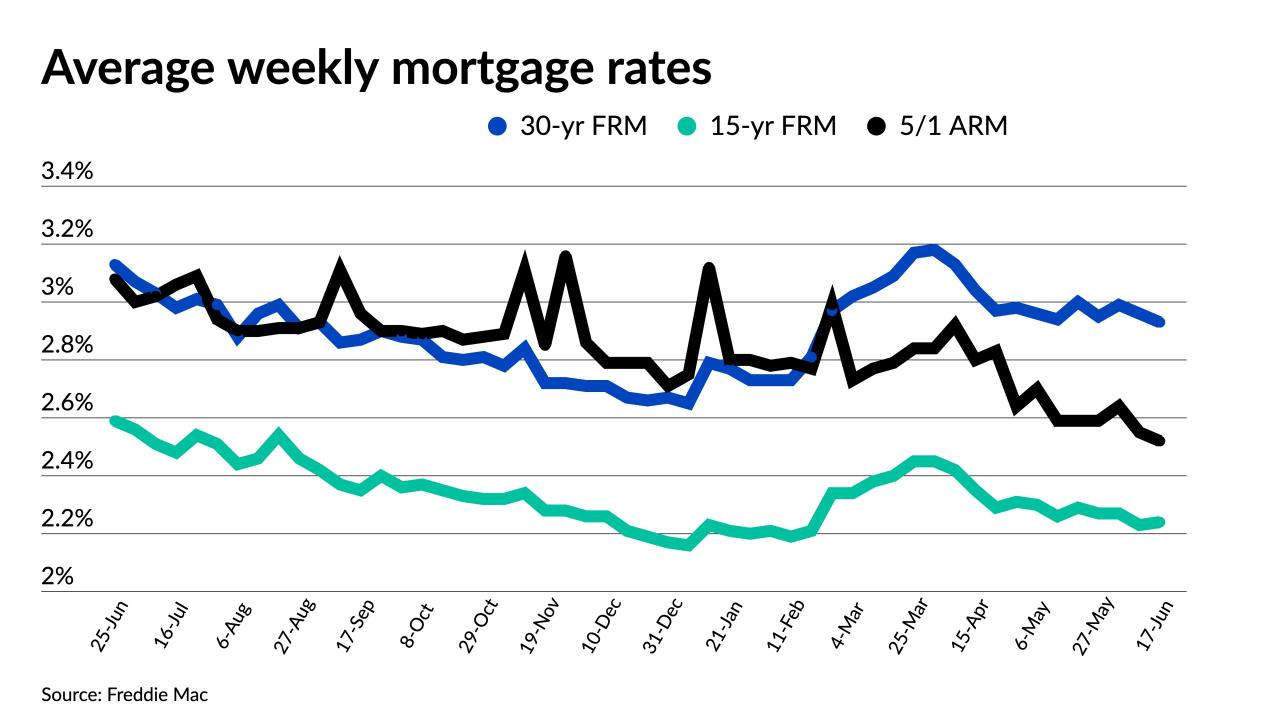
Is it worth refinancing for a lower rate?
It can be worth refinancing if the savings on monthly payments and interest outweigh the closing costs associated with the refinance.
How often do shop refinance mortgage rates change?
Shop refinance mortgage rates can change frequently, often daily, based on market conditions and economic indicators.